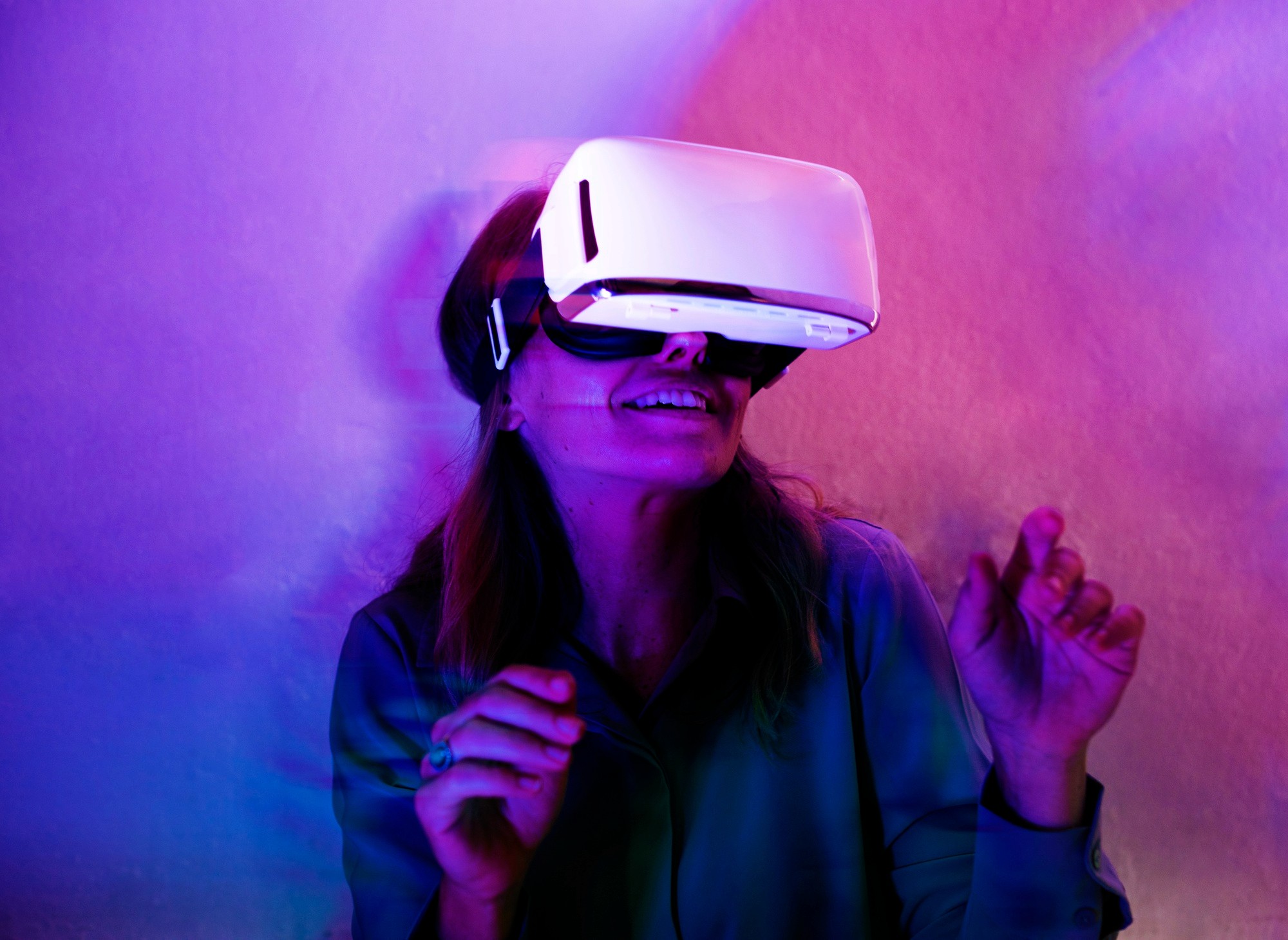
From Concept to Immersive Technology
Virtual reality has evolved significantly from early experimental concepts to the advanced immersive systems we see today. The idea of stepping inside a digital environment first appeared decades ago in research labs and prototype devices. Early VR systems were limited by bulky hardware and basic graphics, but they introduced the foundation of immersive interaction. As computing power improved, developers were able to create more realistic and responsive virtual environments. Modern VR headsets now deliver detailed visuals, precise motion tracking, and natural user interaction. These improvements have helped transform VR from a niche experiment into a growing global technology. The evolution of virtual reality shows how innovation can turn ambitious ideas into practical tools.
Key Milestones in VR Development
The progress of virtual reality has been shaped by many technological breakthroughs over time. Each new stage of development introduced improvements in immersion, usability, and accessibility. These milestones helped move VR from research environments into mainstream industries.
Important moments in VR evolution include:
Early VR research systems developed in academic laboratories
Flight simulators and training tools used for professional practice
Advancements in 3D graphics that improved visual realism
Consumer VR headsets designed for gaming and entertainment
Wireless and standalone VR devices that increased accessibility
These developments show how virtual reality has gradually matured as a technology. Each advancement has helped bring immersive experiences closer to everyday users.
The Impact of Technological Progress
As technology progressed, virtual reality began to move beyond specialized research and into public use. Improvements in graphics processing, display technology, and motion tracking made immersive experiences far more convincing. These innovations allowed VR to expand into fields such as education, healthcare, and design.
“The evolution of virtual reality reflects the constant drive to make digital experiences more immersive and interactive, pushing technology closer to lifelike experiences.”
With each generation of hardware and software, VR has become more powerful and accessible. This steady progress continues to shape how people interact with digital environments.
Looking Toward the Next Generation
The evolution of virtual reality is far from complete, and the next generation of technology promises even greater possibilities. Future systems are expected to deliver higher visual realism, improved comfort, and more natural interaction methods. Advances in artificial intelligence and spatial computing may also enhance how virtual worlds respond to users. As these technologies combine, VR experiences will become more seamless and intuitive. Businesses, educators, and creators will continue exploring new ways to apply immersive technology. With ongoing innovation, the next stage of virtual reality could redefine how people connect in digital spaces.